Five Pillars, One Robot
What makes our robots multi-capable instead of single-purpose.

Picture a robot that delivers lunch across a campus. Every day at noon, it does the job well.
Then the term ends and the dining hall closes for the summer, so the robot spends three months in a storeroom.
The robot didn't fail. The work changed, and the robot couldn't change with it.
That's the trouble with a robot built for one task, because it's only useful while that task exists. Most real work doesn't stand still. A campus needs deliveries in term time and clean walkways all year, and a city's priorities shift with the seasons.
Our robots are built on five pillars that let them keep up. The industry calls this kind of robot multi-purpose. In our view, multi-capable fits better, because changing jobs is only half of it. A robot also has to cope when the day doesn't go to plan.
1. Multi-tooling: one coupling, many tools
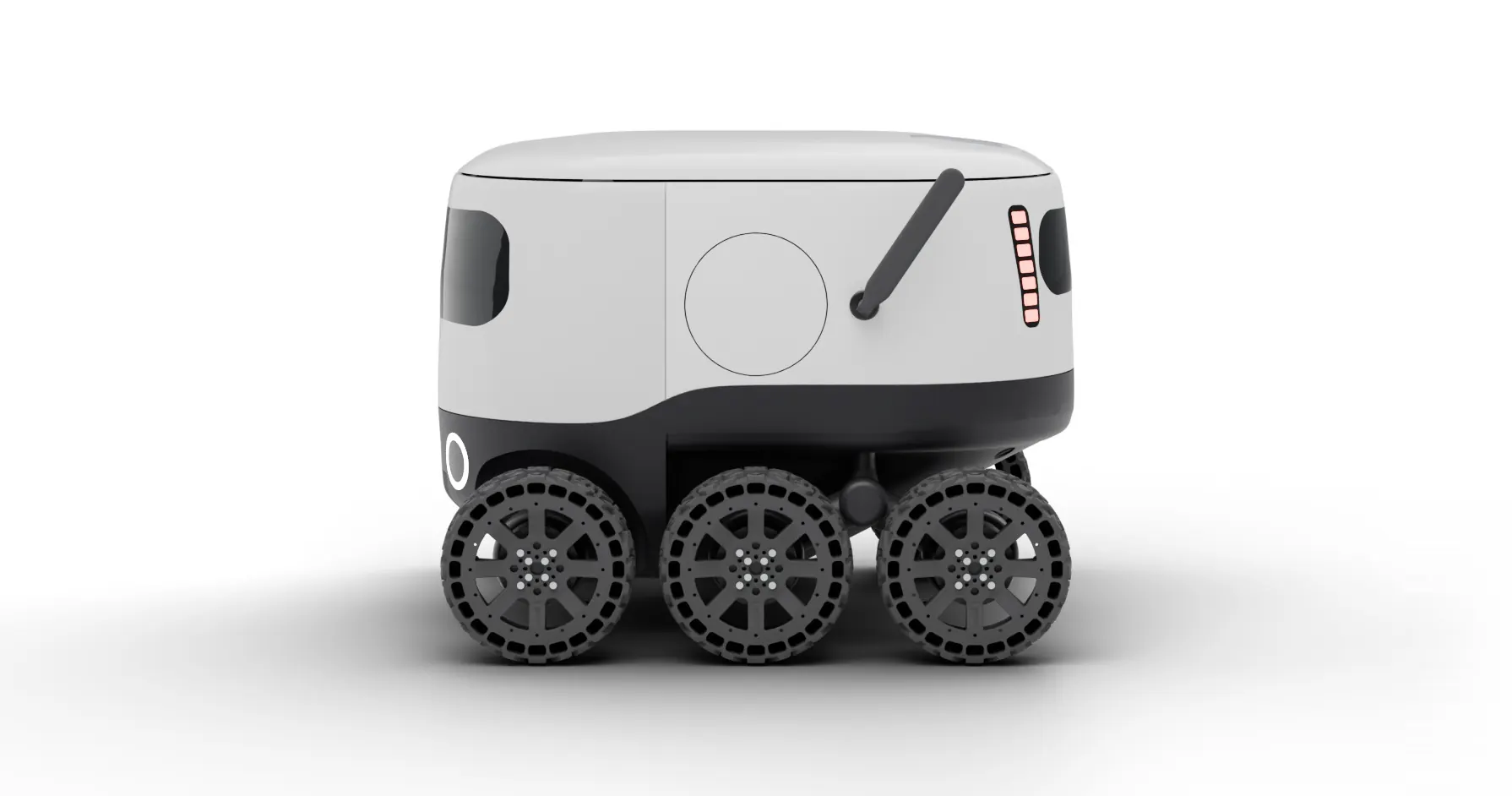
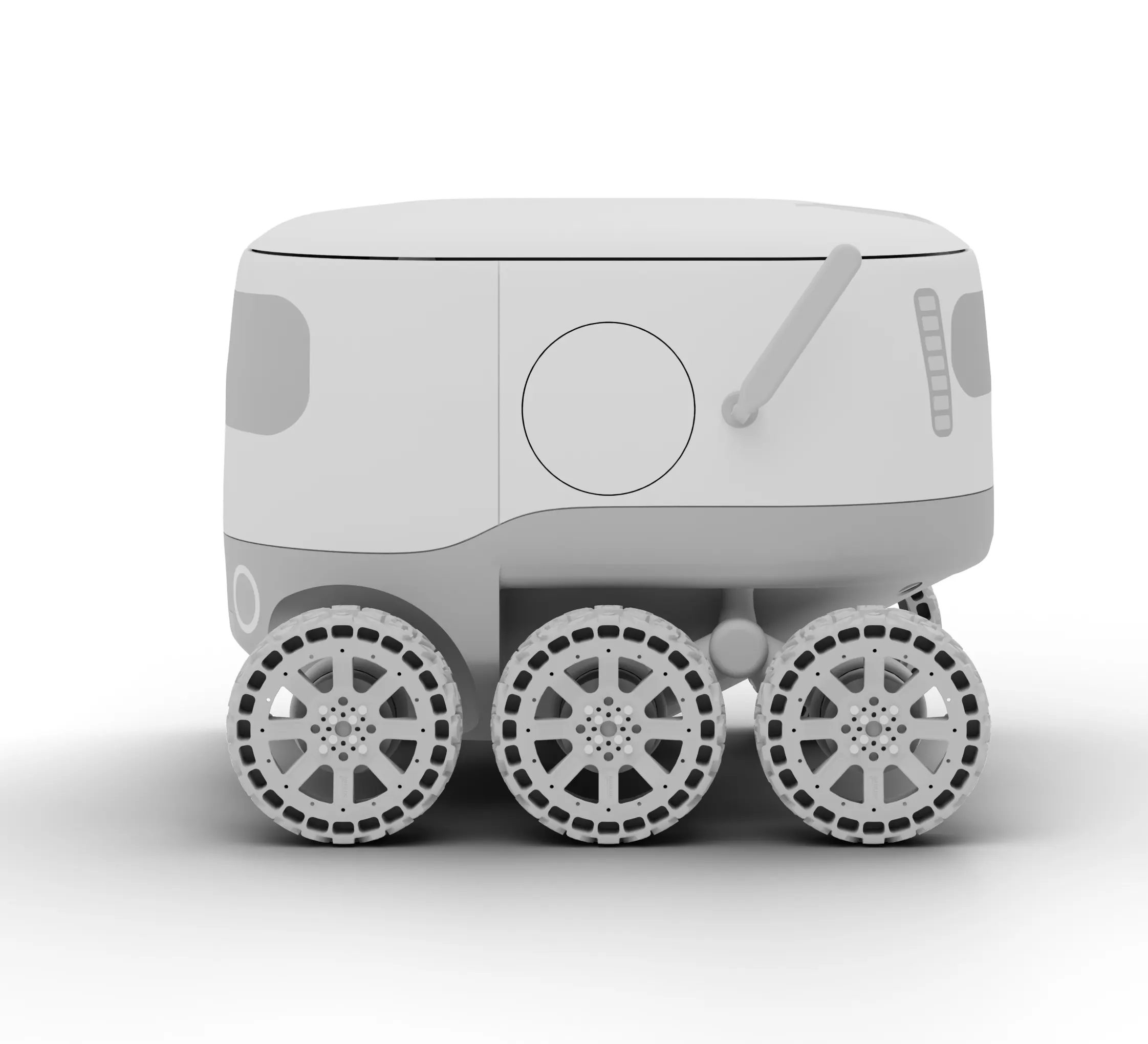
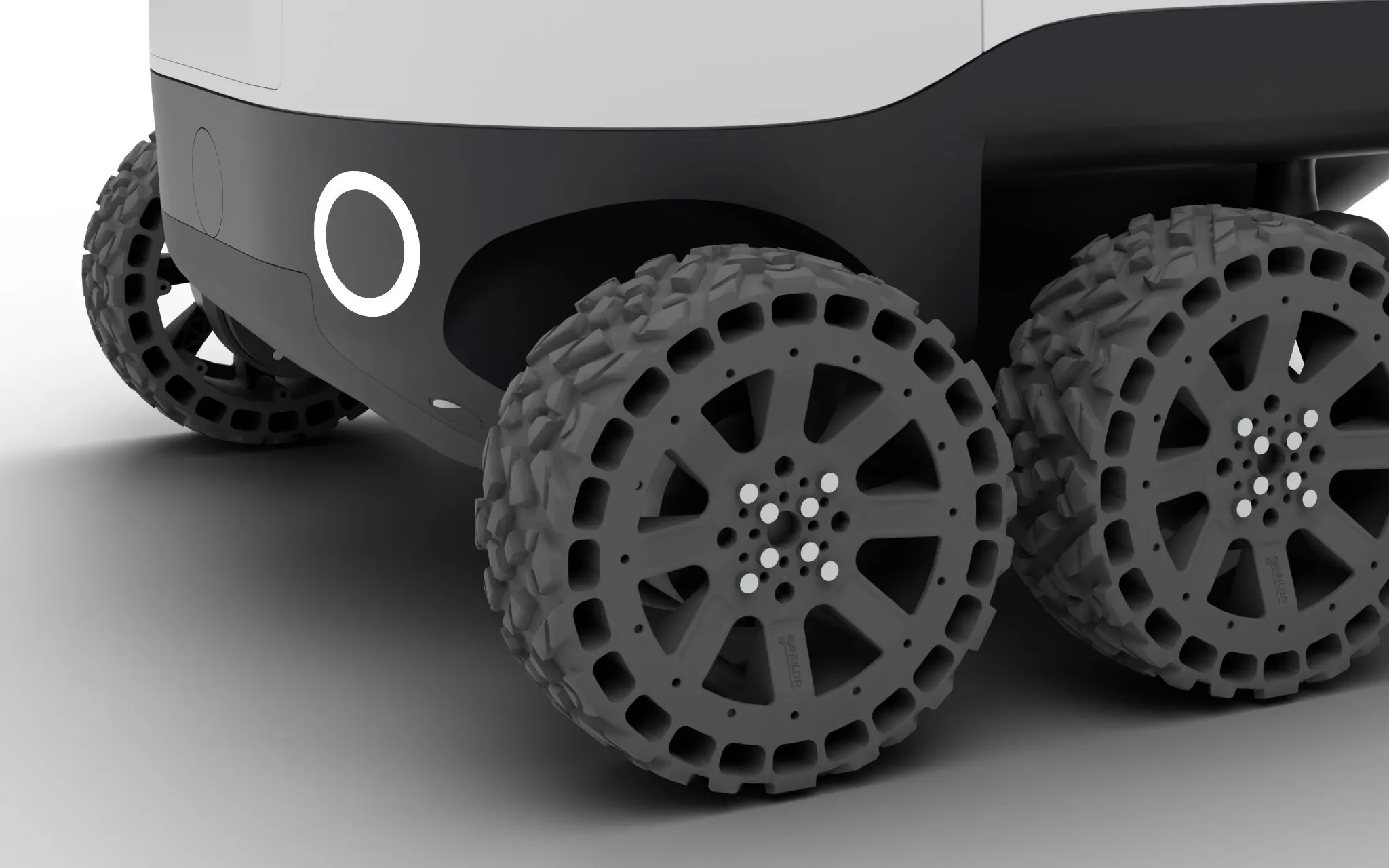
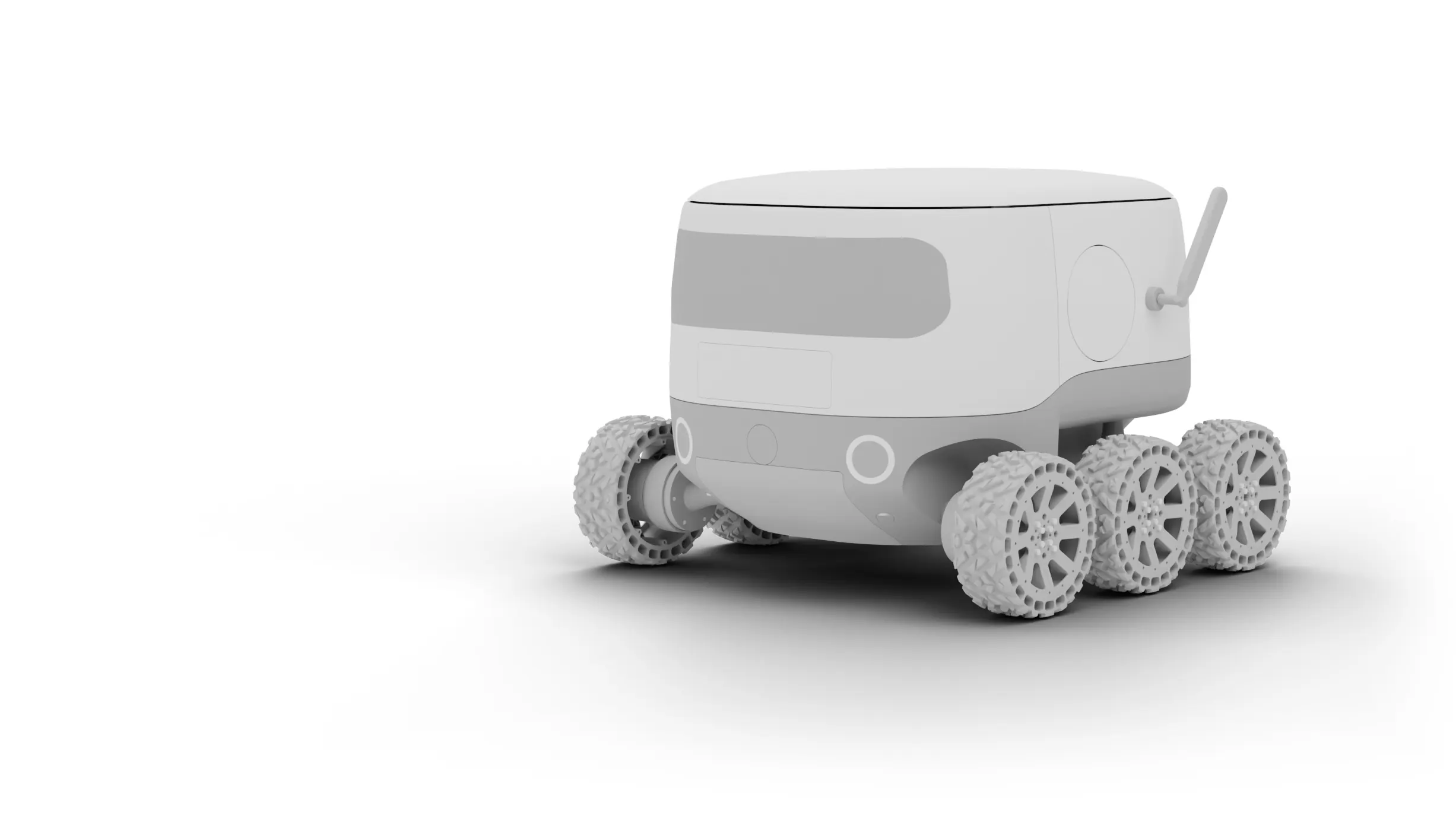
Our robots come in different shapes. What they share is one tool coupling and one software stack.
The tool for the job fits the coupling. On our courier, that might be a cargo bay for deliveries or a cleaning kit for bus stops.
That's how a robot keeps working through the summer. When the deliveries stop, it changes its tool and picks up other work.
2. Multitasking: several tasks on every round
A round is a trip through a list of stops. At each stop, the robot does every task on the list.
At a bus shelter, that could mean picking up litter and wiping the benches. Then it records what it did and moves on.
Multitasking also means coping when the day doesn't go to plan. A robot that loses its place carries on with the work that doesn't need one, so nothing presses on blindly.
3. Collaborating: people stay in charge
Our robots work alongside people. They don't replace anyone's judgement.
On a sidewalk, a robot slows down for people and goes around things in its path. If it gets stuck, it keeps looking for another way, and it asks an operator for help when it needs one.
On a job, the robot takes the repetitive part. The crew keeps the work that needs a person, such as deciding what counts as damage and talking to the public.
4. Coordinating: one map, one plan
A robot that works a site has to know the site.
So each robot first drives a guided route and builds a map. A person checks and approves it. Every job after that starts from the saved map.
A fleet that shares one map and one plan can split the work between its robots, and each finding reaches the right person.
5. Learning: every job makes the robots better
Every run is recorded the same way, on the robot's digital twin or in the real world. That makes sim-to-real measurable, because it's the same job scored the same way in both places.
Our robots learn from those runs, and every new skill is tested before it reaches a robot. That's how every job makes them better.
How the five pillars add up
None of these pillars is new on its own. Robots with swappable tools exist, and so do robots that give way to people. Nevertheless, put the five together and you get a robot that can hold a job through the whole year, changing with the work and getting better at the work.
That's why we offer our robots as a service. You pay for the work, and we bring the robots and look after them.
See how the five pillars work, or plan a pilot if your site has work that never stops.