More Work for Every Robot
A reported DoorDash deal for Instacart could keep delivery robots busy. The next breakthrough in delivery robots is more work, not more orders.

DoorDash is reportedly in advanced talks to buy Instacart for around $17 billion. Aaron Prather wrote a sharp piece on the deal for the Association for Advancing Automation. He argues that the deal matters to robotics for one reason above the rest, because it could give delivery robots enough orders to pay for themselves.
He is right about the problem. Even so, I think the answer is different.
Utilization is the whole game
"One of the biggest challenges facing delivery robotics is utilization," Prather writes. A robot carries the cost of its hardware and software. Maintenance, charging and the people who manage the fleet add to the bill, and all of the costs have to be earned back through completed jobs. A robot that makes only a few deliveries a day struggles to justify the expense, even if every trip goes well.
Restaurant orders make that hard, because they bunch up around lunch and dinner and leave long gaps in between. Prather's point is that grocery and convenience orders could fill those gaps, so the same robot would deliver meals at noon, groceries in the afternoon and meals again in the evening.
Two ways to fill a robot's day
There are two ways to keep a robot busy.
The first is to bring the robot more orders, which is the logic of the Instacart deal. DoorDash already runs a delivery robot of its own, Dot, and also works with Coco and Serve, so a bigger order book feeds all three. The approach works for a company that can afford the purchase.
Nevertheless, it has limits, and Prather names them himself. The extra orders have to fit the robot and fall within its range, and they have to arrive when the robot is free. A weekly grocery shop is heavier and bulkier than a burrito.
The second is to give the robot more kinds of work. A robot that only delivers waits for the next order. A robot that can change its tools can clean a bus shelter between lunch and dinner, then inspect a site overnight and deliver again in the morning. Its day fills from the work a place needs, not from how many orders a platform controls.
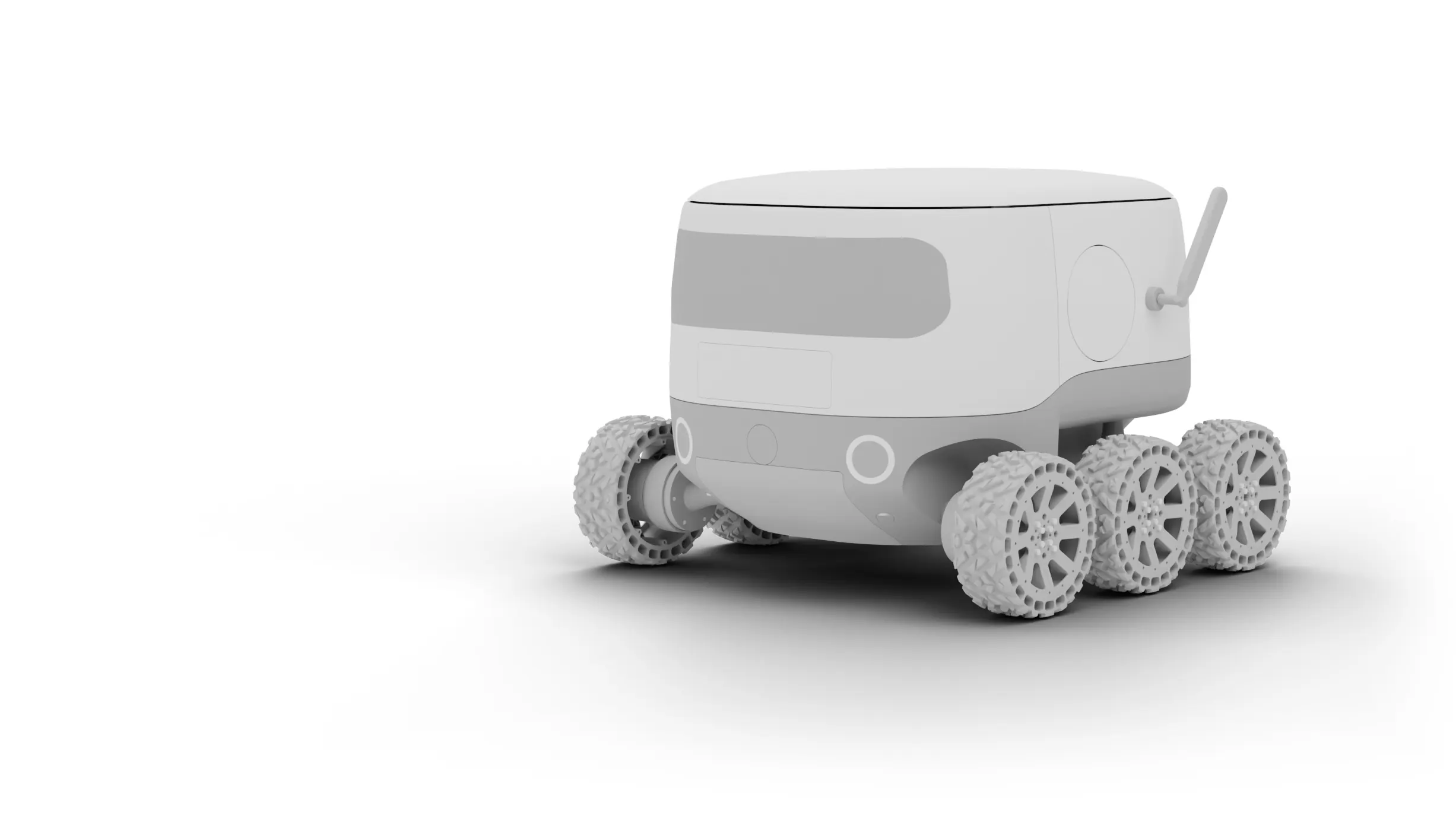
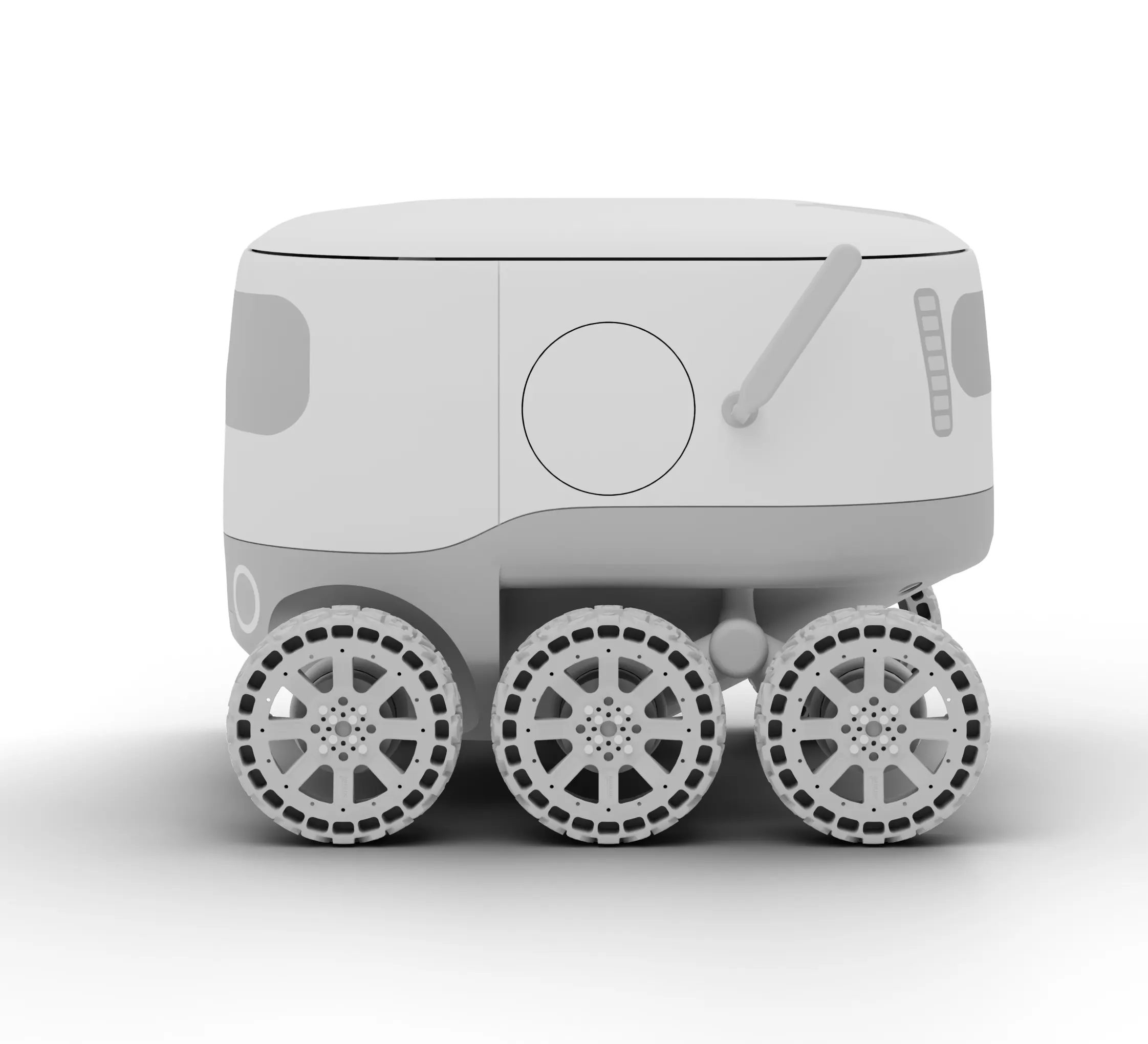
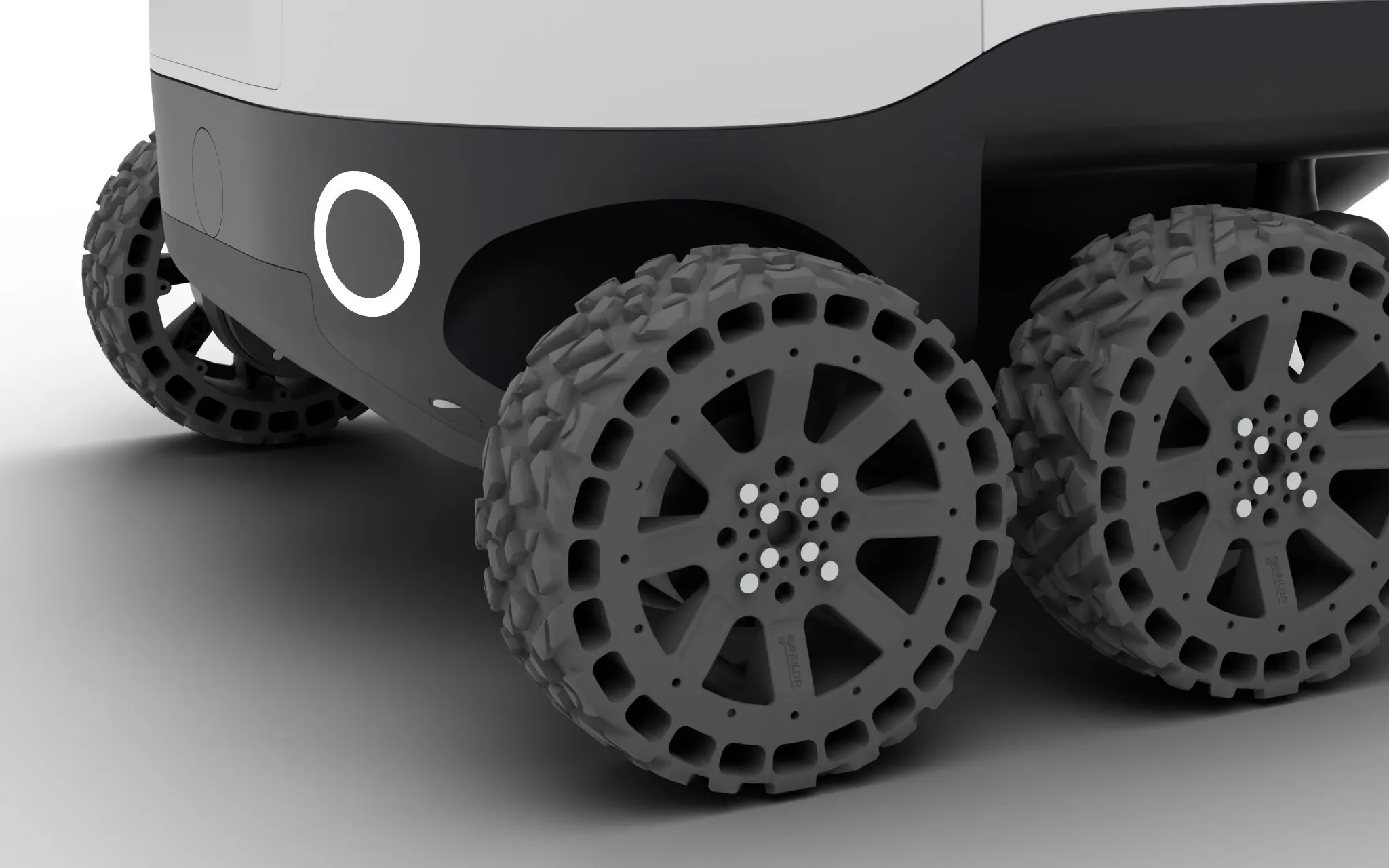
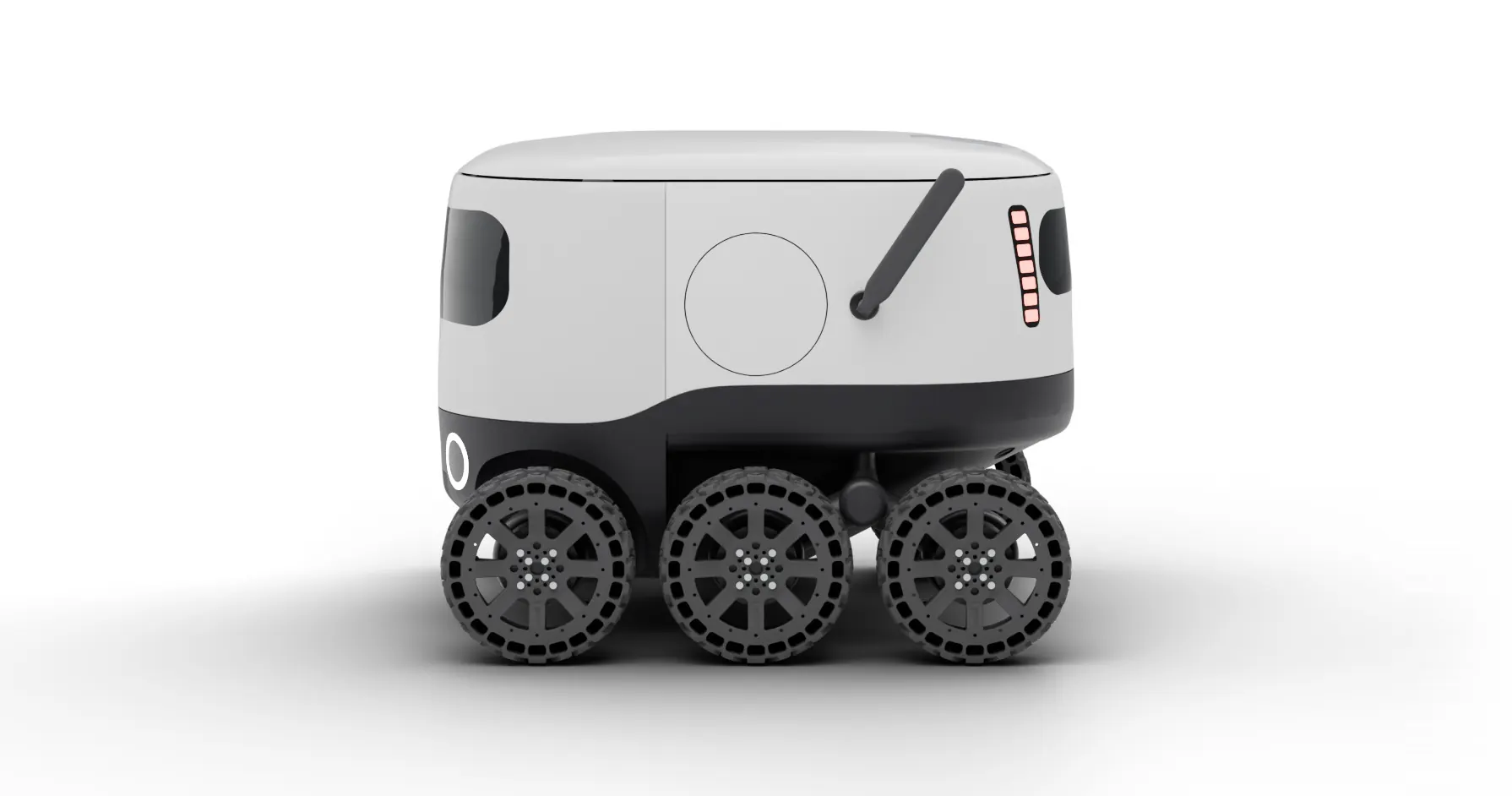
Our robots are built on that bet. All of the robots share one base and one tool coupling, so a robot changes jobs by changing the tool, from a cargo bay to a cleaning kit or inspection cameras. A campus or a city has enough routine work of different kinds to keep a robot busy all day, all year, and no one has to buy a grocery company first. In our view, that is the next breakthrough: more work for every robot, not more orders.
One fleet, shared all the way down
Prather sees the same efficiency in a combined delivery platform. "Rather than operating separate fleets for each category," he writes, "a company could potentially share vehicles, charging infrastructure, maintenance resources and dispatch software."
A fleet of multi-purpose robots works exactly this way, taken one step further. The sharing does not stop at kinds of delivery. One base drives every job, and one dock charges the base. One technician maintains the robot, and one software stack plans every route, whether the route ends at a front door or a bus shelter. Every improvement reaches every robot, whatever the robot is doing that day.
A single-purpose fleet has to be sized for its busiest hour and sits idle for the rest. A fleet that changes jobs is sized for the work across the whole day.
The whole job, not only the drive
Prather makes a second point that is easy to miss. Taking the driver out of a delivery is not the same as taking the work out of it. Someone still has to load the robot, and someone has to handle the exceptions and help when a trip goes wrong. "The economic calculation must therefore consider the entire delivery process," he writes, "rather than simply comparing a robot's operating cost with a driver's compensation."
We agree, and it is why we sell the work rather than the robot. Under Robotics as a Service, we own the robots and set them up, and we maintain and improve them too. The site pays for the work done. The people who know the work stay in charge, while the robots take the repetitive part.
People in the loop, from anywhere
Autonomy does not mean no people. It means people spend their time where they matter.
Our robots handle the routine part of a job on their own. When a robot meets something it should not decide alone, a person takes over remotely, sees what the robot sees and drives through the problem before the robot carries on. One operator can look after many robots this way, because each robot only asks for help when needed. We also learn from every request.
That is the human help Prather counts as a cost. It falls as the robots learn, and it never has to be someone standing beside the robot.
Self-maintaining robots
The other half of the human work around a robot is keeping the robot ready. Someone swaps the tools, charges the robot and checks the robot over, and a robot that changes jobs goes furthest here.
We are designing a hub for it, where a robot is charged, checked and made ready for its next job. A worn part is found before it fails, not after.
A fleet that looks after its own readiness needs far fewer people to keep it running.
The numbers to watch
Prather suggests three measures for whether a bigger platform really improves the economics of delivery robots. They are deliveries completed per robot per day, the total cost of each completed delivery, and how much human help each delivery needs.
Those three measures are the right ones. For a robot that changes jobs, I would add a fourth, which is the hours of useful work each robot completes in a day across every job it does. A delivery robot that spends half the day parked looks expensive on the first measure. The same robot spending those hours on cleaning rounds looks very different, and so does the cost of each job it completes.
Enough of the right work
Prather ends on a line I would put on the wall: "The next breakthrough in delivery robotics may not be a better robot. It may be having enough of the right deliveries to keep that robot working profitably."
I would change one word. The breakthrough is having enough of the right work, because a robot that can do more than one job never has to wait for the orders to come to it.
See the jobs our robots do, or plan a pilot.