Why We Sell the Work
Pay for the work instead of the robot.

A city that wants clean bus shelters doesn't want a robot. It wants clean shelters.
A campus that wants lunch carried to the library doesn't want a fleet to store, charge and repair. It wants the lunch to arrive.
That's the idea behind Robotics as a Service. You pay for the work the robots do. We own and run the robots, and looking after them is our job too.
Two ways to pay
We price each site after a visit, because we want to see the work and agree what the robots will do first. After that, you pick how to pay.
- Per job. This suits work that comes and goes, like deliveries in term time or a clean-up after an event.
- By subscription. This suits work that never stops, like a daily round of every shelter on a bus route.
Both include setup, maintenance and new skills as they arrive. Your data stays yours.
What you don't have to do
Owning robots brings a second job that has nothing to do with the first.
Someone has to store and charge them, and someone has to fix a worn wheel and keep the software current. On top of that, every new route needs setting up.
With a service, all of that is ours. A technician sets the robots up and comes back to look after them, so a repair is our problem. Also, when our software improves, every robot on the service gets the update.
Why a service suits robots that change jobs
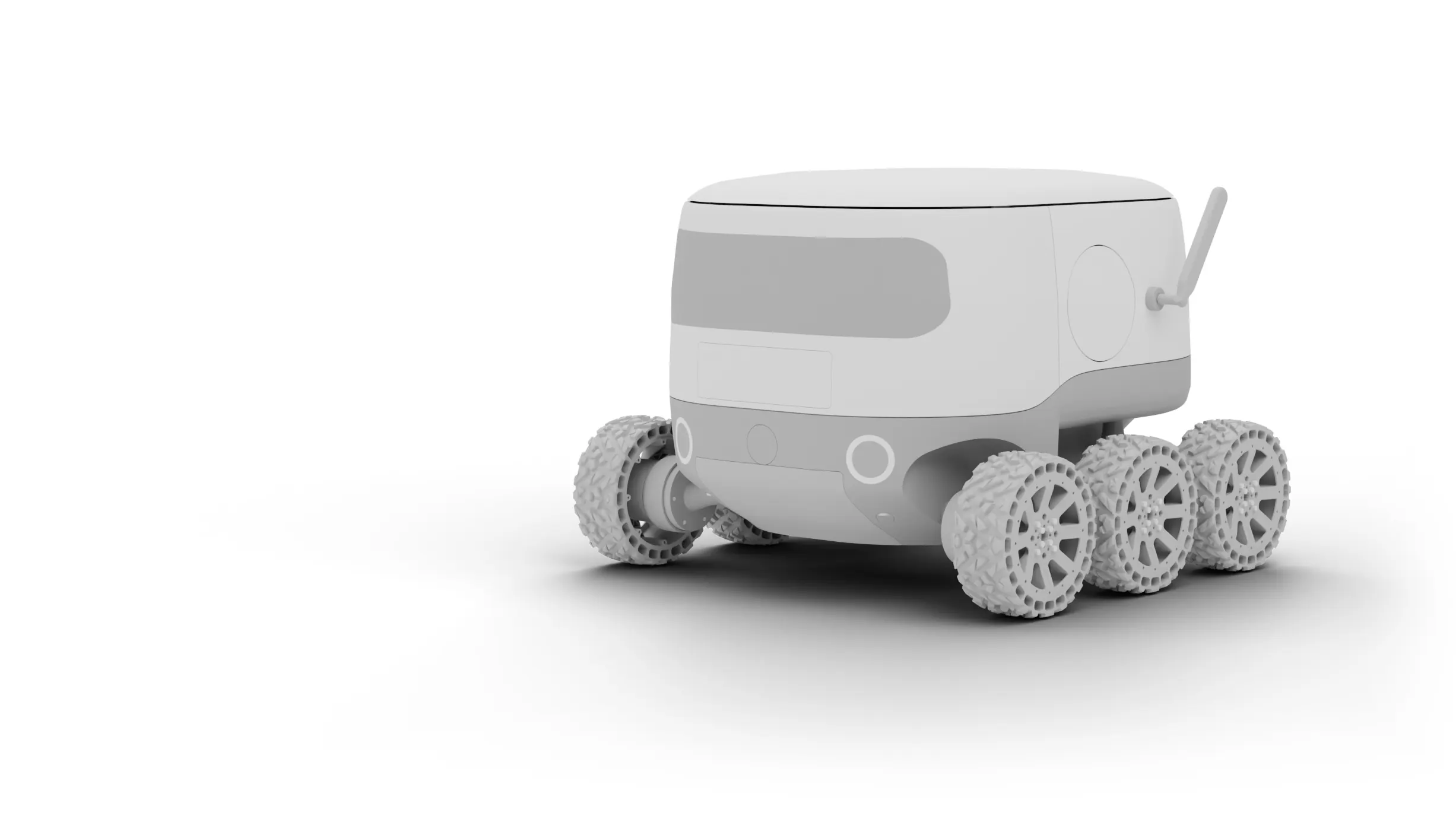
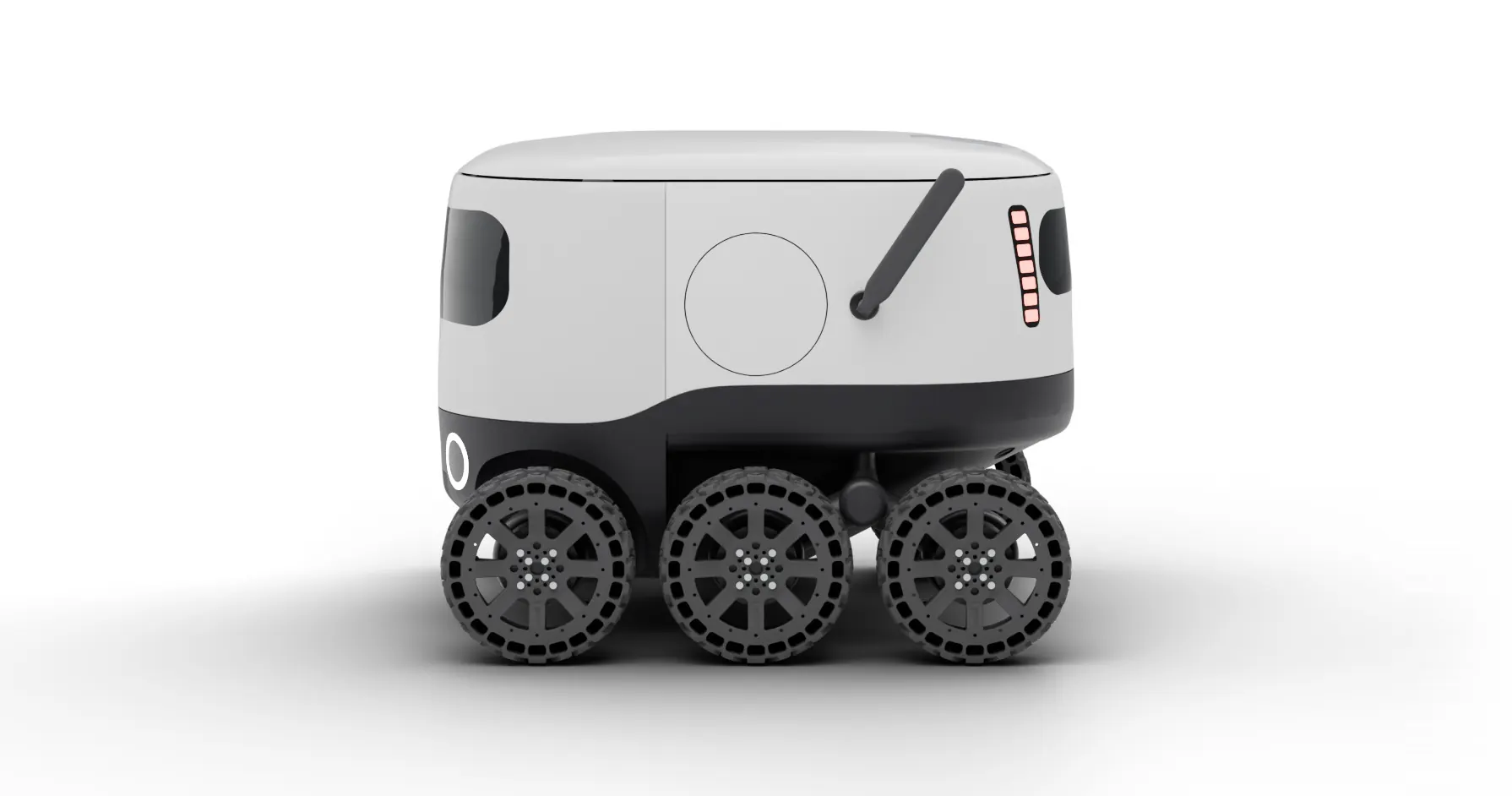
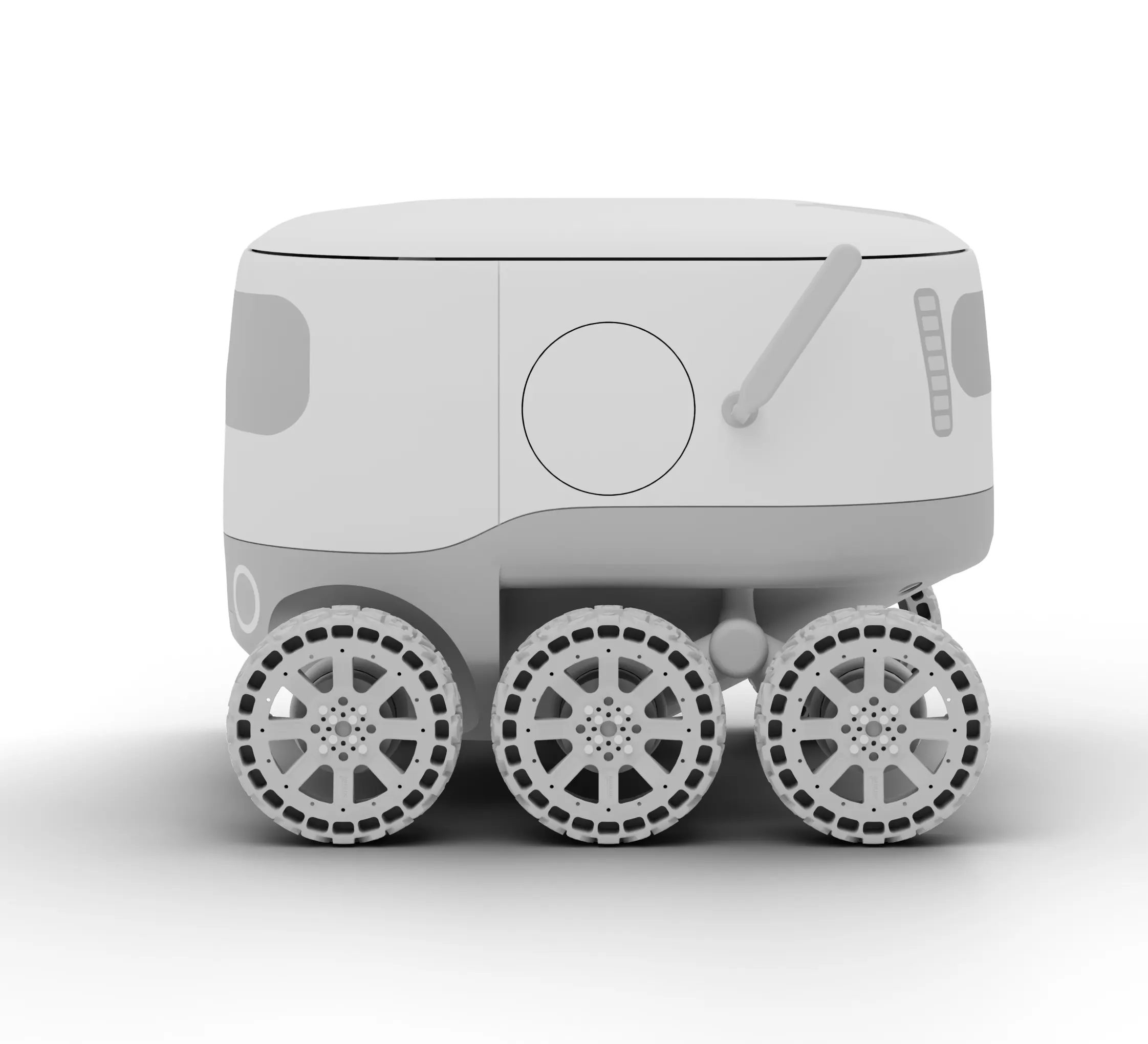
Our robots share one tool coupling and one software stack, so any of them can change its job by changing its tool. A cargo bay becomes a cleaning kit or a set of inspection cameras.
That flexibility is worth most when someone else manages it. Under a service, the same robot can deliver in term time and clean through the summer. You pay for the work in each season, and never for a robot sitting idle.
Our robots also improve the more they work. If you owned one, you'd have to decide when to upgrade it, but on the service each improvement simply arrives.
Who the service is for
The service fits any place with routine work on a schedule, and more of it than people can cover.
- Campuses need deliveries, clean walkways and inspection rounds.
- Cities and transit agencies look after bus shelters, stations and parks.
- Restaurants and grocers deliver close to home.
- Hospitals and large employers move supplies and mail across big sites.
- Property managers and industrial sites run inspection and security rounds.
In every case, the people who know the work stay in charge while the robots take the repetitive part. Every job also leaves a record you can check.
How a pilot starts
A pilot is a first, limited run at one site. It shows how the robots fit the work before anyone signs a longer agreement.
We start with a conversation about the work and then visit the site.