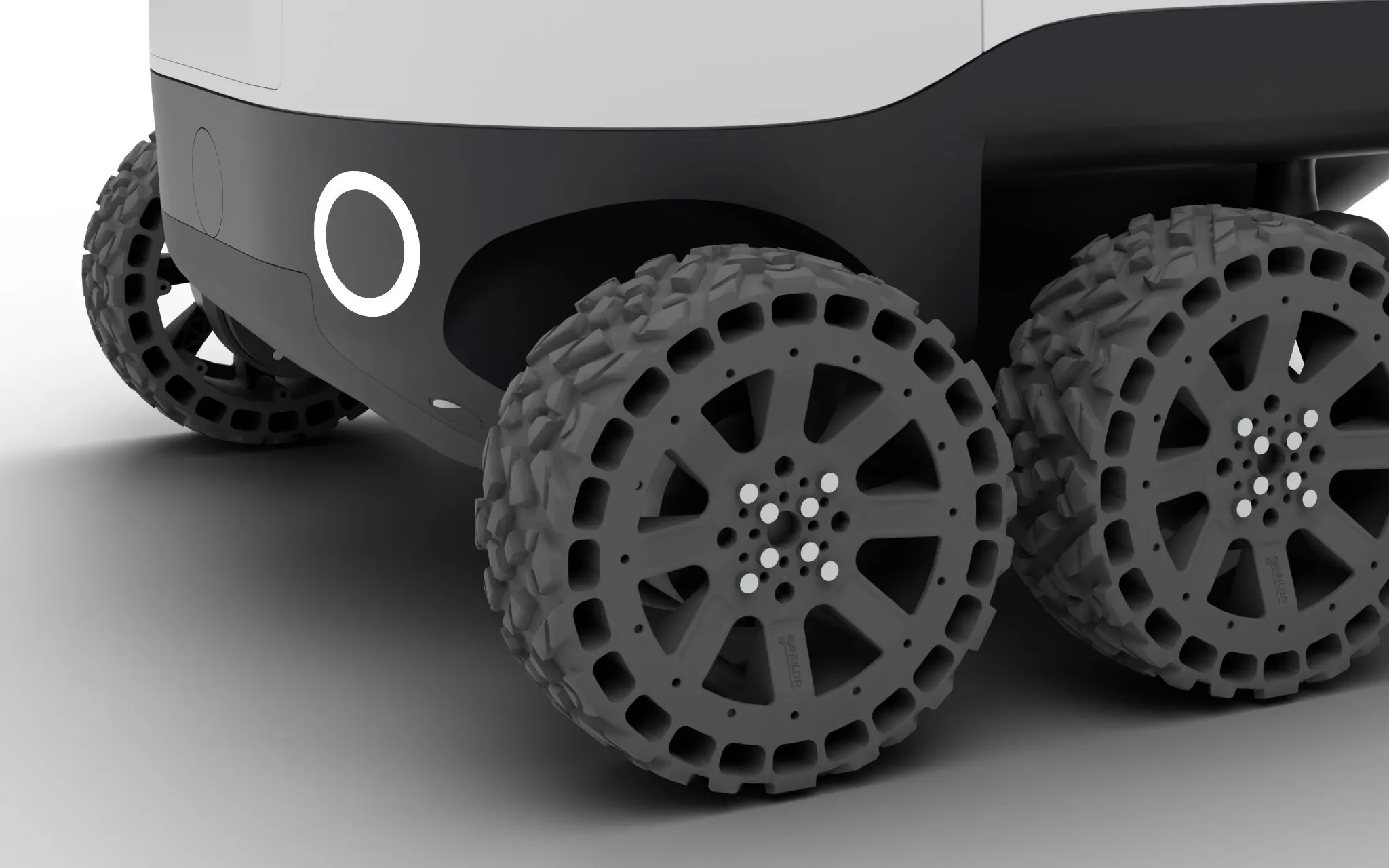
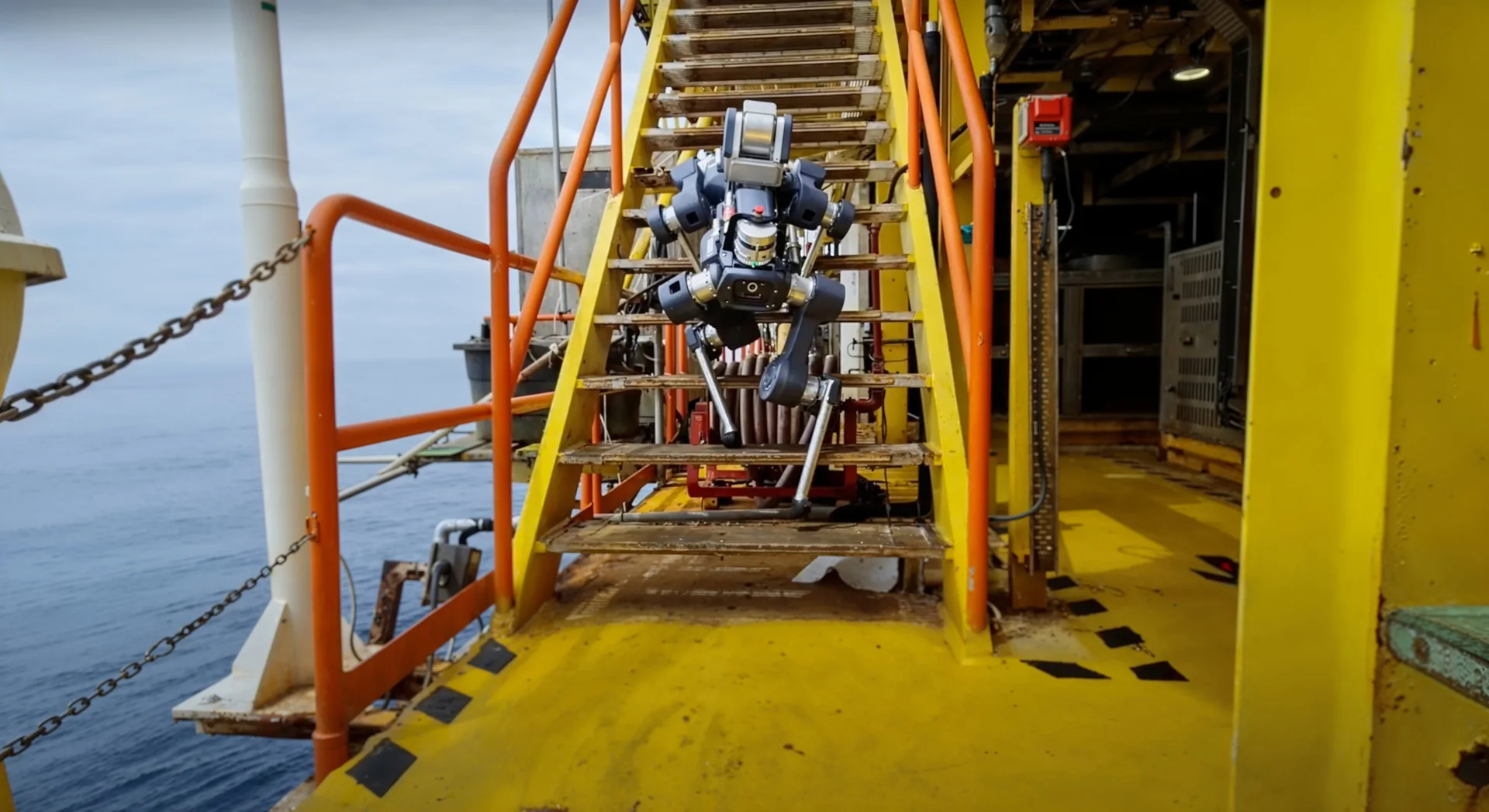
Robots That Lift Communities
Most stories about robots centre on replacement. A better story centres on the people and places robots can make stronger.
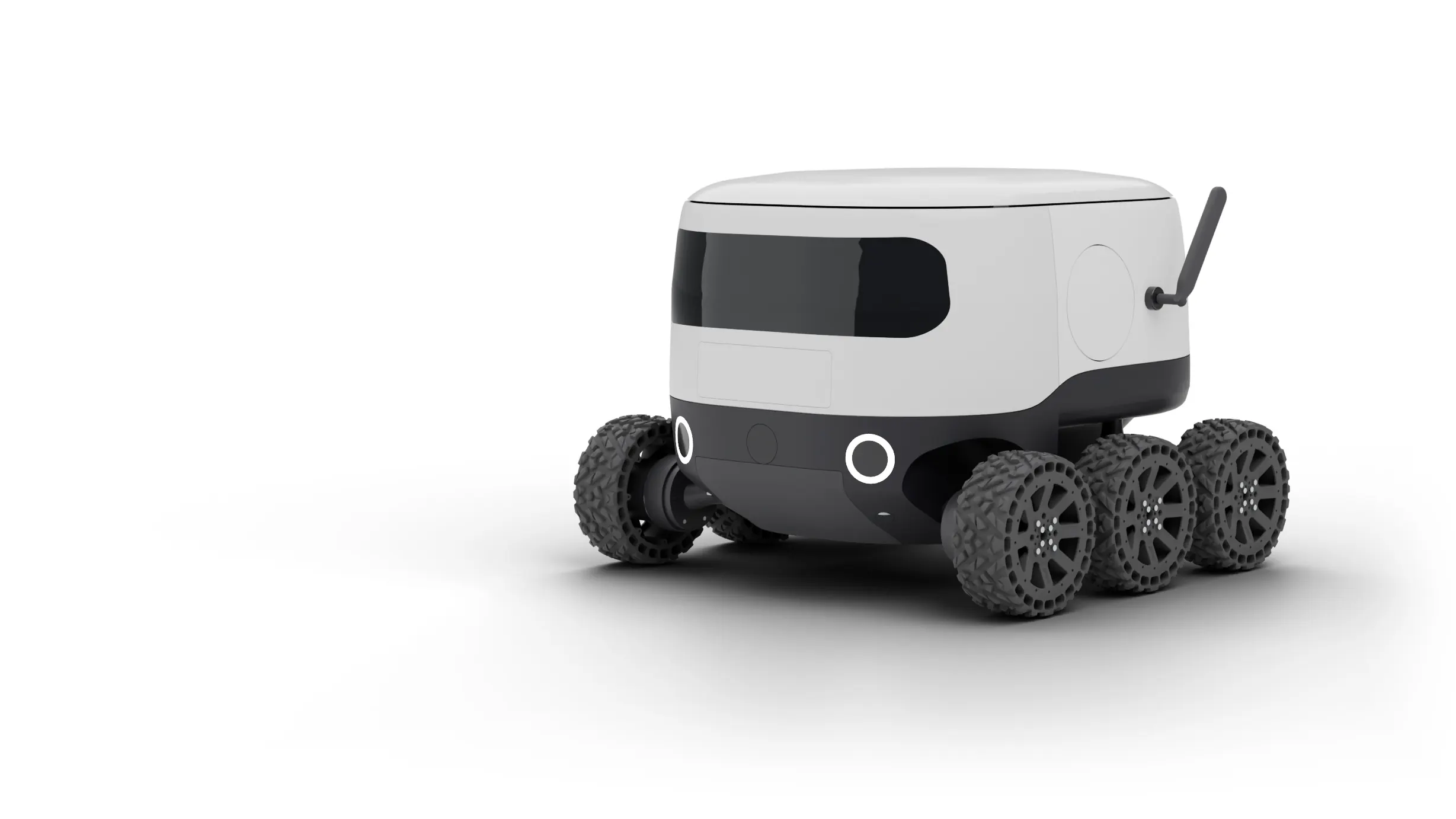
Most stories about robots are stories about replacement. A machine arrives, a job disappears, and the community is left to absorb the cost.
I think that story is a choice, not a law of nature, because technology reflects the values of the people who build it. Built with care, robots can make work safer and places better looked after. In addition, they can make communities stronger. That is the future we are building toward.
Changing the narrative
Automation is often done to people rather than with them. Decisions are made far away and the benefits flow to a few, so the people closest to the work hear about the change last.
We want to turn that around. The question we start with is not which jobs a robot can take. It is which parts of the work people would rather not do, such as picking up litter before dawn, carrying the same lunch orders across a cold campus or walking the same inspection route through the night.
A robot should take those parts and give people back their time for the work that needs judgement, care and a human face.
Lifting workers up, not replacing workers
When robots take the repetitive part of a job, new work grows around the robots. Someone plans the routes and someone keeps the fleet healthy. Someone also steps in from a screen when a robot meets something it should not decide alone. These are skilled jobs, and they belong in the communities the robots serve.
We pay for that work fairly, so remote operators and technicians earn a living wage. Running a robot fleet on underpaid remote labour is not a business model we will build, wherever in the world that labour sits.
The people who know the work stay in charge of it. A crew sets the round, checks the plan and decides what happens when something is out of the ordinary. The robot is a tool in their hands, not a replacement for them.
Good neighbours
Robots in public spaces share paths with people who never asked for them. That carries a responsibility.
Our robots slow down for people and go around what is in their way, and ask a person when a decision is not theirs to make. Before a robot works anywhere, we also agree with the site what its cameras keep and who can see it. The goal is a robot people stop noticing, like a well-kept bus shelter.
Built together
No robot fits a place it has never seen, and the best ideas live where design, software and the work meet. That's why we build with the people who do the work, not just for them.
That means starting every pilot with a conversation and a visit, and listening to the crews and city staff as well as the people who walk past the robots every day. We also build on open tools, so others can check, share and improve our work.
Communities of the future
Industry 4.0 is the name for the connected, data-driven automation that is changing how factories make things. Its tools are robots, sensors and software that learn from every run.
We think those tools belong in neighbourhoods too, not only in factories. A town could keep every bus shelter clean on a schedule no crew could match. A campus could deliver to every building without adding traffic. A city could inspect its infrastructure often enough to fix things before they fail.
Most communities cannot buy a fleet of robots, and they should not have to. That is why we sell the work, not the robot. A city, a campus or a transit agency pays for the work that gets done, and we own, run and improve the robots.
Our robots also change tools to change jobs, so one fleet can deliver, clean and inspect. In any case, that is how a community gets the benefits of automation without the cost and risk of owning it.
What comes next
We will share conversations with the crews, city staff and neighbours we work with, along with the questions we are still working through.
If you work in a city, a campus or a community organisation, I'd love to hear from you, and the same goes if you simply have a view on how robots should fit into public life. Start a conversation.